How Often Does a Roof Need to Be Replaced, and When Is It Time to Replace Your Roof?
- Home
- Single Post

- Josh Rutledge
Your roof is your home’s first line of defense against rain, wind, and sun. Over time, even the strongest roofs wear out. You might wonder: “How do I know when my roof needs to be replaced?” This guide will help. We’ll cover how long roofs last, signs of damage, factors that affect roof life, when to repair versus replace, and a simple checklist you can use yourself. To decide if your roof is getting old or needs fixing. By the end, you’ll know the easy signs to check and when it’s smart to call a roofing expert.
Quick Summary: How Long Does a Roof Typically Last By Roofing Materials?
Different roof materials last different amounts of time. Here’s a simple table showing average lifespan, cost, and maintenance:
| Roof Material | Typical Lifespan | Cost per sq. ft (Installed) |
|---|---|---|
| Asphalt Shingles | 15–30 years | $3–$5 |
| Metal Roof | 40–70 years | $7–$12 |
| Flat Roof (EPDM/TPO) | 15–30 years | $5–$10 |
| Clay/Concrete Tile | 50+ years | $10–$20 |
| Slate | 75–100+ years | $15–$30 |
What Do Roofs That Need Repair vs Replacement Look Like?
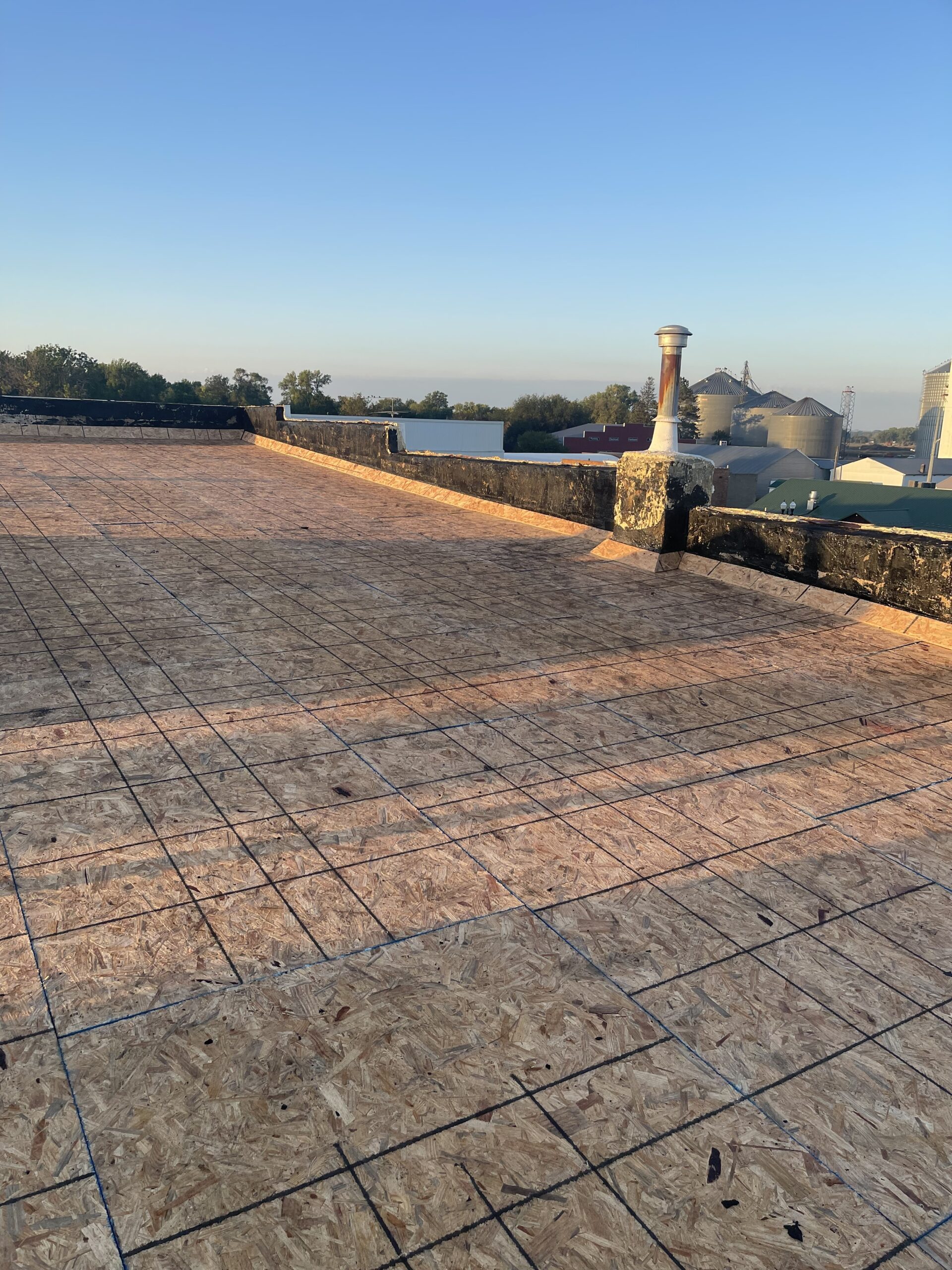
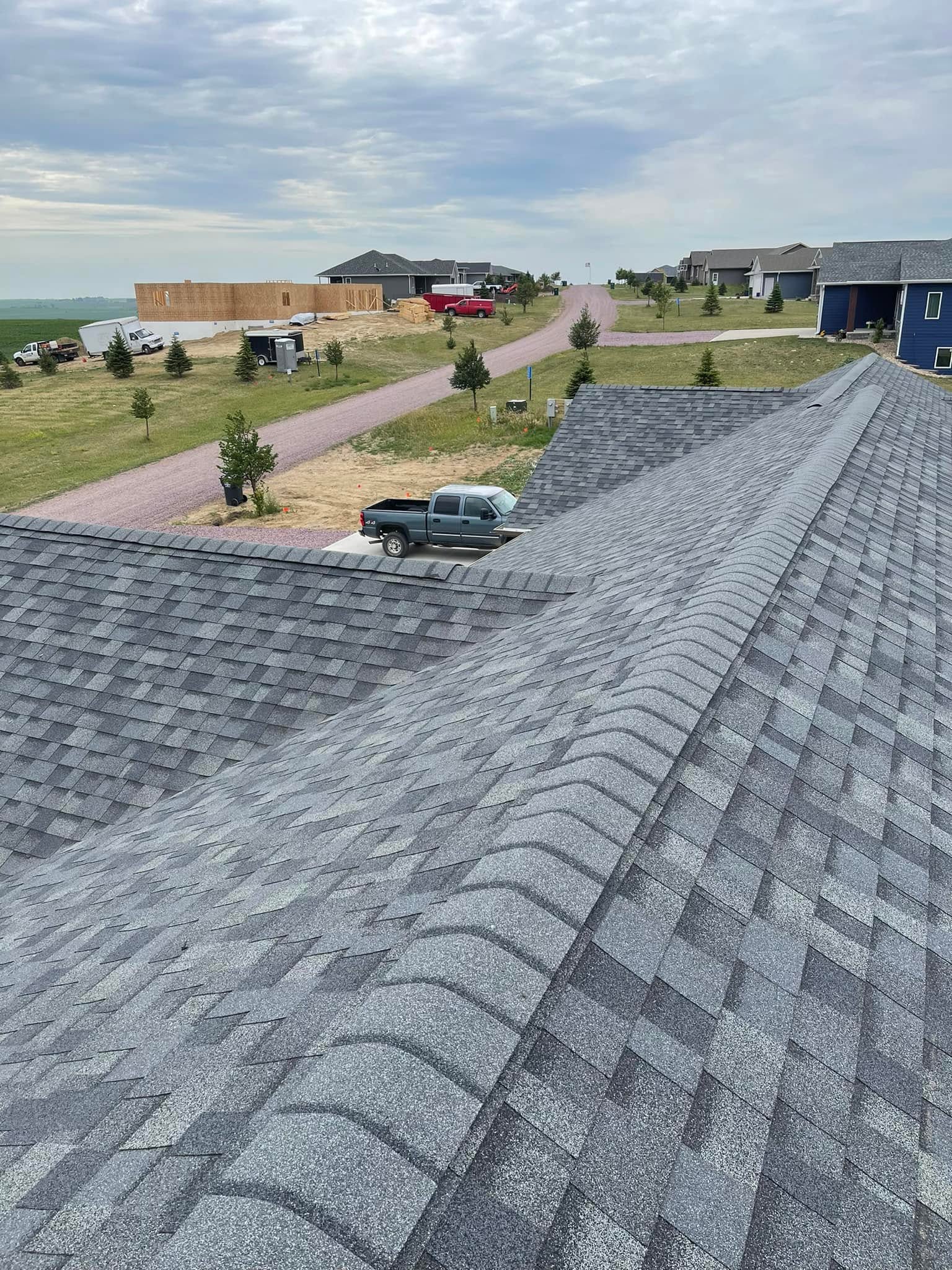
Some roofs require only minor fixes, while others need a full replacement. Below is an overview highlighting the key visual differences between roofs that need repair and those that require replacement.
Roofs That Need Repair
A few missing shingles, minor leaks, and small patches of moss, as you can see in the image below.

Roofs That Need Replacement:
Sagging areas, large leaks, and worn-out shingles across the entire roof, as shown in the image below.
What Are the Common Signs That a Roof Needs to Be Replaced?
1. Damaged or Missing Shingles
3. Worn or Damaged Flashing
4. Sagging Roofline
A roof should always appear straight and solid. If you notice sagging, it usually means water has soaked into the boards or that the roof structure is weakening. This problem often shows up in valleys or across large sections of the roof. Sagging is considered severe because it can lead to collapse if ignored. At this stage, repairs won’t solve the issue; a complete roof replacement is the safest choice.
5. Moss, Algae, or Excess Debris
Moss and algae often grow in damp and shaded areas of a roof. At first, they may appear as a small green patch, but they actually trap moisture against the shingles. This moisture slowly causes the shingles to soften, crack, and lose strength. Leaves and other debris can also retain water, exacerbating the problem. Small spots of moss can sometimes be cleaned. Still, if it spreads across large areas, it usually means the roof materials are wearing out. A replacement may be the better choice.
6. Roof Age and Repairs
Every roof has a natural lifespan. Asphalt shingles typically last 20–25 years, while tile and metal roofs may last longer. If your roof is nearing or past this age, even small problems like leaks or missing shingles may keep coming back. At this point, patchwork repairs become costly and less effective. For homeowners, frequent repairs are a clear sign that replacing the roof will save money and give lasting protection.
How Can I Inspect My Roof Myself to Know If It Needs Replacement?
(Self Evaluation Checklist)
Homeowners can check these points safely:
🔨 Shingle Condition
Cracked, curled, or buckled shingles
Missing shingles or bald spots
Loose shingles after storms
💧 Leaks & Water Damage
Water stains on ceilings or walls
Damp spots or mold in the attic
Daylight visible through the roof boards
Dripping after rain
⚡ Flashing & Roof Fixtures
Cracked or loose flashing
Rust or corrosion
Dry or missing caulking around vents/skylights
📉 Roof Structure & Shape
Saggy or uneven roofline
Soft spots on walking areas (if safe)
Gutters pulling away or sagging
🌱 Moss, Algae & Debris
Green moss or dark streaks
Leaves, branches, or debris on the roof
Gutter clogs filled with granules or moss
💸 Repair & Age Factors
Roof over 20 years (asphalt)
Frequent repairs in 2–3 years
Repair costs are approaching replacement costs
📌 Tip: If you check off 3 or more boxes, it’s time to schedule a professional roof inspection.
📌 Safety Reminder: Avoid climbing steep roofs. Use binoculars from the ground for a closer look. (downloadable checklist)
What factors can shorten or extend the lifespan of a roof?
1. Climate and Weather
The weather around your home has a significant impact on the lifespan of your roof. Intense sun and UV rays slowly dry out shingles, causing them to crack and lose flexibility. Heavy rain can seep into weak spots, resulting in leaks and water damage within your home. Snow and ice add weight to the roof and can form ice dams, which trap water and push it under the shingles. High winds lift or tear away shingles, leaving the roof deck exposed. And during storms with hail, the impact often dents, cracks, or strips away granules. Over time, these conditions work together, accelerating roof wear and necessitating replacements earlier than expected.
2. Installation Quality
Even the best roofing material won’t last if it’s installed poorly. A skilled roofing contractor ensures that shingles are secured with the correct fasteners and nails to prevent them from loosening in strong winds. Proper flashing around chimneys, skylights, and vents is crucial because weak flashing allows water to seep into the building. If the wrong underlayment is used, it won’t block moisture effectively. And skipping proper sealing shortens the roof’s durability and may even void warrantixes. A roof that’s installed correctly usually lasts years longer and saves homeowners from costly repairs.
3. Roof Maintenance
Routine care helps prevent minor problems from becoming major issues. When gutters are clogged, water has nowhere to go and backs up under shingles, causing rot. Debris, such as leaves and branches, can trap moisture and add extra weight to the roof. Ignoring damaged shingles allows leaks and spreads damage to nearby sections. The growth of moss or algae holds water against the surface, which accelerates wear and tear. Regular inspections help spot these problems early, giving you a chance to fix them before they cut years off the roof’s life.
4. Ventilation and Insulation
What happens in the attic affects the roof above it. Poor ventilation traps heat, causing shingles to warp and age more quickly in the summer. Weak insulation allows heat to escape in winter, causing snow to melt unevenly and creating ice dams along the edges. Trapped moisture and condensation can lead to mold or rot in the roof deck. With balanced airflow through soffit and ridge vents, and the right amount of insulation, the roof stays cooler, drier. It lasts much longer while also improving energy efficiency inside the home.
5. Roofing Materials
The type of roofing material is one of the most significant factors in determining lifespan. Asphalt shingles are the most common type and typically last 15–30 years, although they wear out faster in extreme climates. Metal roofing can last 40–70 years, resists harsh weather, and requires less maintenance. Clay or concrete tile roofs usually last 40–75 years, are very durable, but much heavier. Slate is the most long-lasting, often surviving 75–100 years or more, but it’s also expensive. Flat roofs, such as EPDM or TPO, generally last 15–30 years but are more prone to drainage issues. Choosing the right material helps strike a balance between cost, durability, and local weather conditions.
How do I know if it’s cheaper to repair or replace my roof?
Quick Summary
Repair if: Roof is fairly new, damage is small and localized, repairs are under 50% of replacement cost, and fixes are not frequent.
Replace if: Roof is near the end of its life, damage is widespread/structural, repair costs keep adding up, or you want better energy efficiency and home value.
👉 Got a leak? Check out our guide on how to fix a leaking roof.
Average Cost Comparison
Repairs: $300 – $3,500 depending on damage and location
Replacement: $7,500 – $20,000+ depending on material and size
💡 Rule of Thumb: If repairs cost more than 50% of replacement, replacement is smarter long term.
Key Factors for Choosing Roof Repair or Replacement (Compared)
| Factor | Repair (Best For) | Replace (Best For) |
|---|---|---|
| Roof Age | Under lifespan | Over lifespan |
| Damage Extent | Localized problems | Widespread issues |
| Cost. | <50% of the replacement | >50% of the replacement |
| Frequency | Occasional fixes | Frequent issues |
| Energy Efficiency | Bills normal | Bills rising |
| Insurance | Active coverage | Expired/limited |
| Home Value/Plans | Short-term | Long-term |
| Typical Price | $300–$3,500 | $7,500–$20,000+ |
When should I hire a professional instead of inspecting or repairing myself?
Hire a professional if your roof has serious damage like sagging, leaks, or broken flashing, or if it’s made of materials like metal, slate, or clay that need special tools. Safety risks such as steep slopes, weak spots, or bad weather also make DIY dangerous. Without the right skills and equipment, repairs can cause more harm and cost more later. Plus, many warranties and insurance policies only cover work done by licensed pros. In these cases, hiring a roofing professional is the safest and most cost-effective choice.
Need Trusted Roofing Help ?
Rutledge Roofing offers professional roofing services with over 10 years of experience. They specialize in asphalt, steel, and flat roofs. Get a personalized quote and 24/7 support for your roofing needs.
📍 Contact Rutledge Roofing Today:
📞 Phone: 712-204-1356
📧 Email: rutledgeroofingllc@gmail.com
🏠 Address: 421 16th SW, Le Mars, IA
🌐 Website: www.rutledgeroof.com
How often does a flat, metal shingle roof last?
Flat: 15–30 yrs, Metal: 40–70 yrs, Shingles: 15–30 yrs. Lifespan varies with maintenance, climate, and material quality.
How often does a flat, metal shingle roof last?
Depends on the material. Asphalt ~20 yrs may be due for replacement; metal or slate can last decades more.
How much does a new roof cost for a 2,000 sq ft house?
$6,000–$30,000 depending on material. Asphalt is the cheapest, slate and tile are the most expensive.
Should I replace my roof if it's not leaking?
Not always. Check for aging shingles, sagging, or recurring minor damage. Proactive replacement avoids costly future repairs.
At what age should a roof be replaced?
Asphalt: 20–25 yrs, Metal: 50+ yrs, Slate: 75+ yrs. Replacement depends on material, damage, and maintenance history.
How to know when the roof was replaced?
Check permits, invoices, roof appearance, manufacturer labels, or ask the previous owner or contractor.
When is the best time for roof replacement?
Spring or early fall, mild weather, dry conditions, and lower contractor demand make replacement easier and safer.